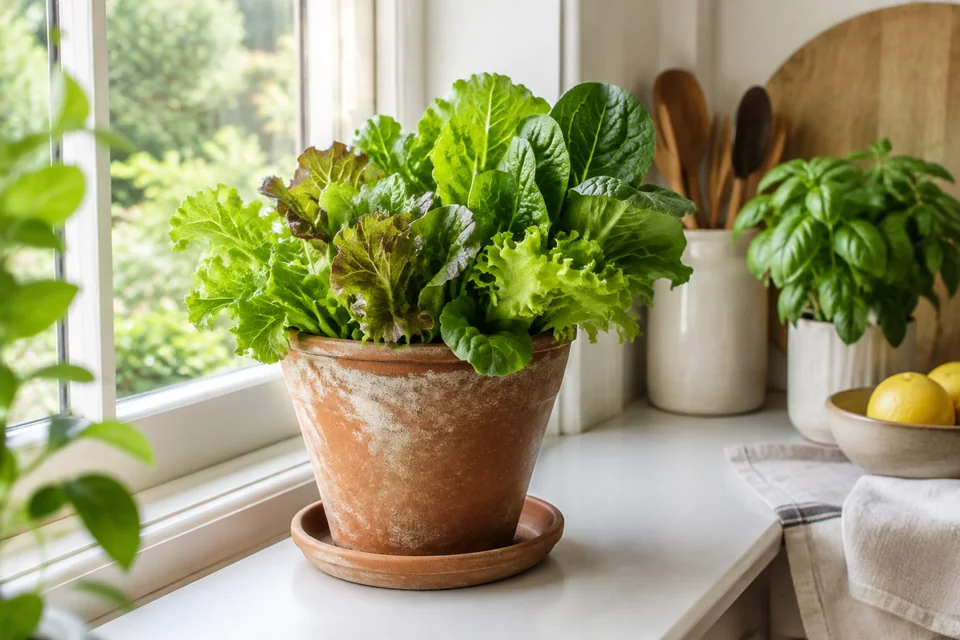
Salad leaves
Sow a pinch of seed in a draining pot of peat-free compost from spring. Keep moist and pick a few outer leaves when large enough. A pot near the door makes watering easier.
Start small, grow at your own pace
A windowsill, a pot or a patch of soil is enough to start. Choose one thing you enjoy eating and build from there.
You don’t need a big garden, expensive equipment or years of experience. Whether you can spend hours gardening or just a few minutes a week, there’s something you can grow. Whether you do everything yourself or have someone help you, you’re a gardener. You’re welcome here.
Sow a pinch of seed in a draining pot of peat-free compost from spring. Keep moist and pick a few outer leaves when large enough. A pot near the door makes watering easier.
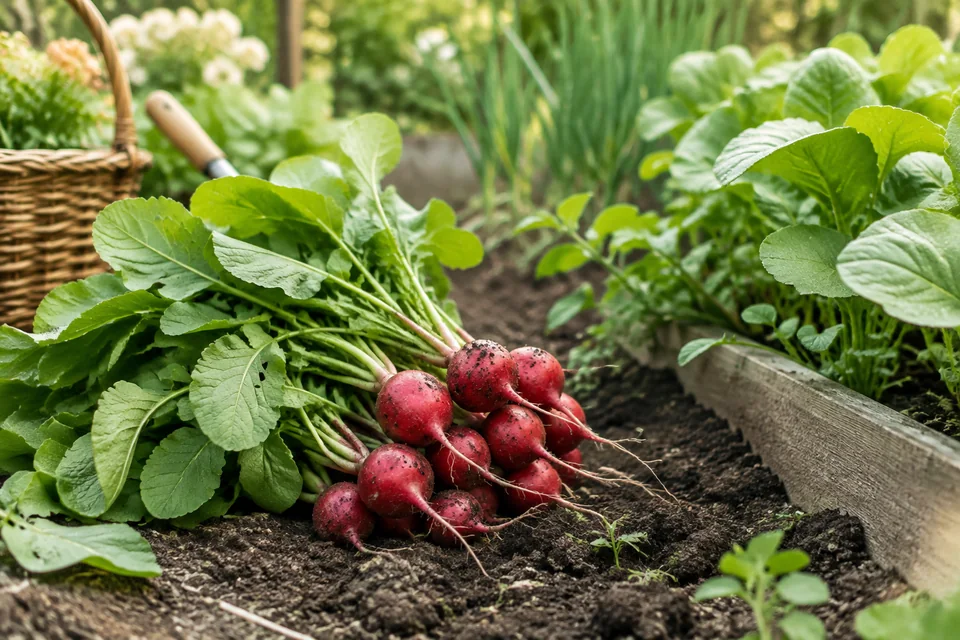
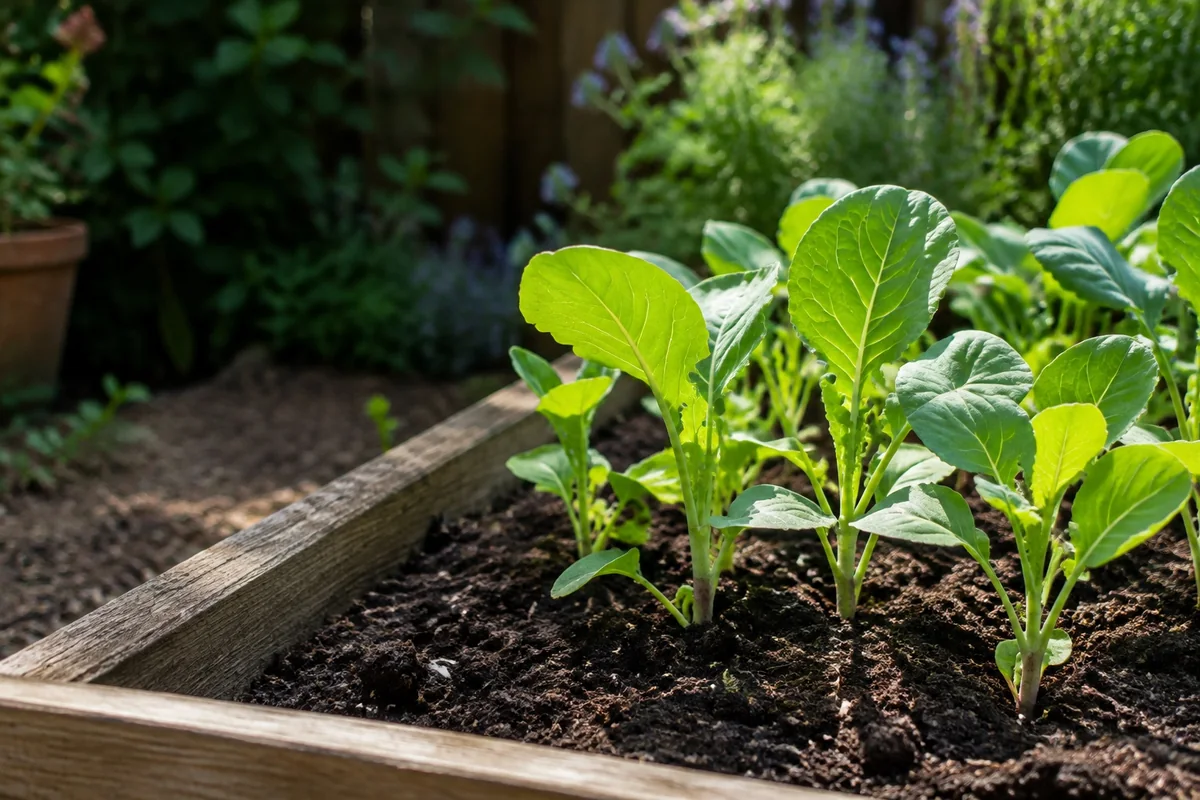
Sow thinly outdoors from spring into summer, following the seed packet. Keep watered and harvest while small, often in 4 to 6 weeks. Share sowing or picking if that suits you.
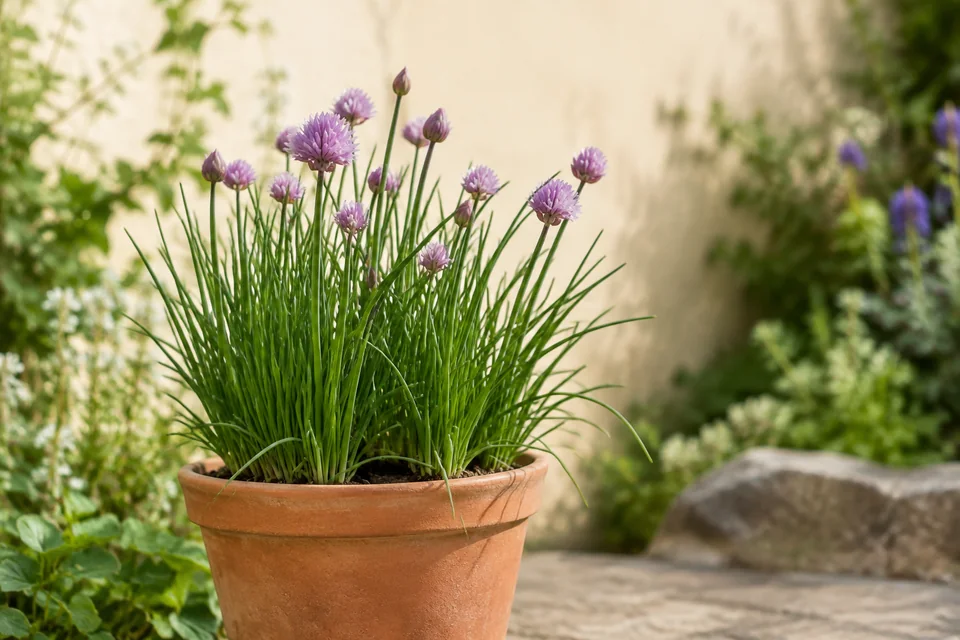
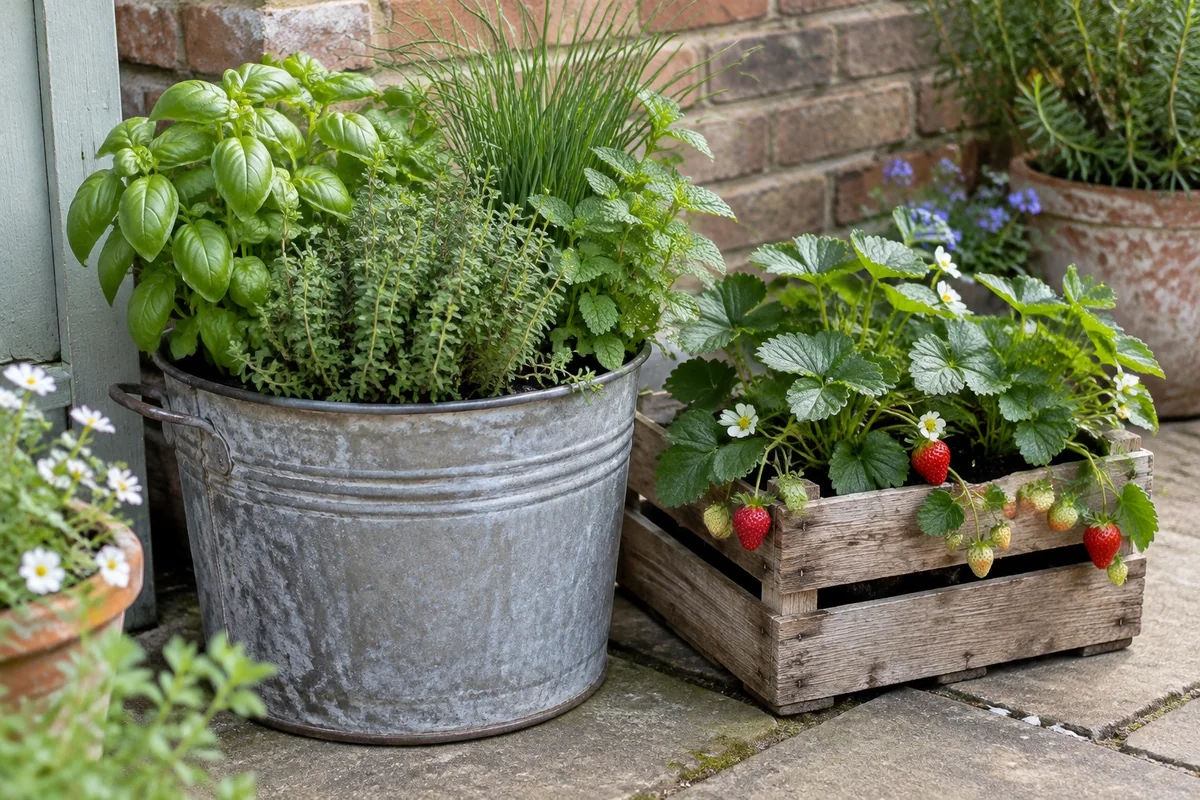
A small chive plant gives repeat herb pickings with less sowing. Keep in a sunny or partly shaded pot, water in dry weather and snip a few leaves as needed.
Free beginner guide
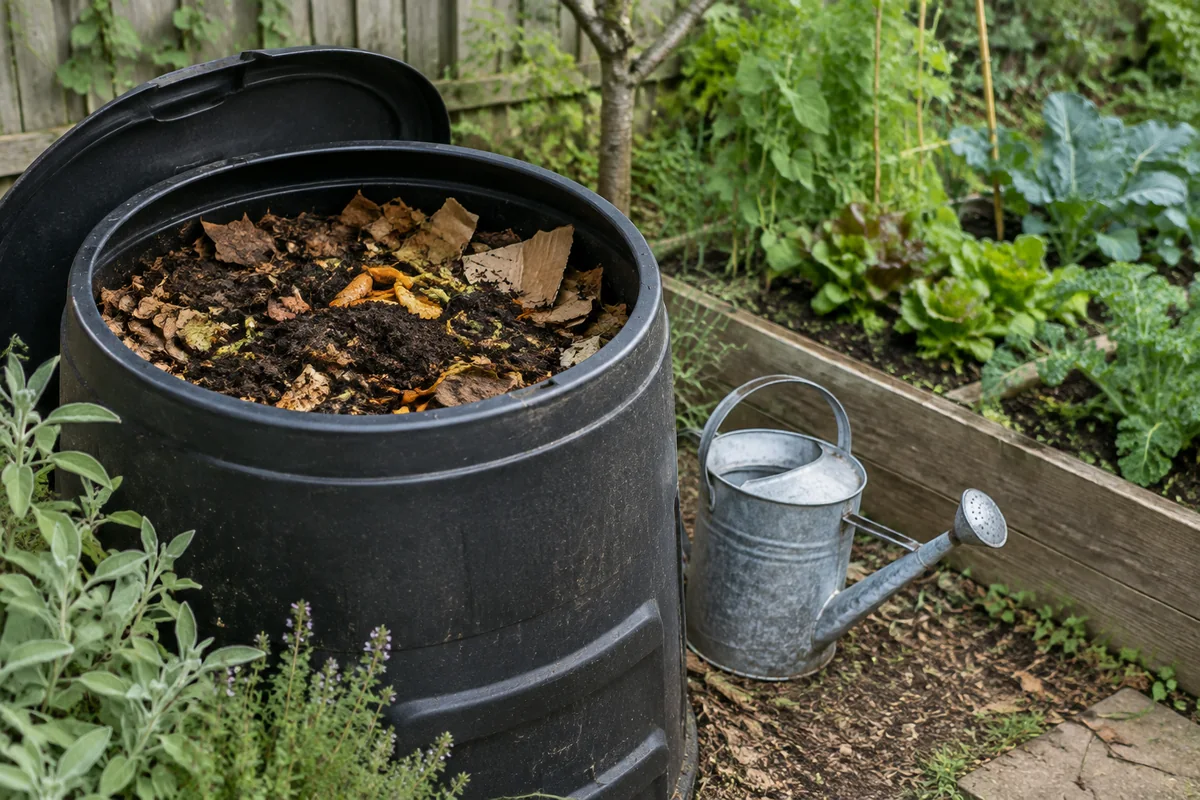
Turn everyday kitchen and garden waste into useful compost. Learn what to add, how to mix it and how to solve common problems.
Read the composting guideYou do not need to buy everything before you start. For one small pot, prioritise a suitable container, compost, seeds or a young plant, light and water.
Open compost bags outdoors in a ventilated space, avoid breathing in dust and wash your hands after use. Store tools securely.
Start with one or two pots of herbs, chard or salad leaves. Larger containers and mulch can reduce watering, but no crop is completely maintenance-free. Check pots during hot spells and arrange help if you are away.
Choose containers at a comfortable working height with room to sit or move around. Place water nearby. Lightweight tools and thicker padded handles can make tasks more comfortable. A helper can handle lifting while you choose crops, sow or harvest.